For a long time, I thought good meals always required hours in the kitchen. Between work, errands, and daily life, I often ended up eating takeout or unhealthy snacks. Then I realized: fast cooking doesn’t mean sacrificing flavor or nutrition—it’s about smart planning, simple ingredients, and quick techniques.
Over time, I developed a set of strategies and recipes that let me prepare delicious meals in under 30 minutes. These ideas transformed my daily routine, saved money, and made eating at home enjoyable.
In this guide, I’ll share fast cooking ideas, beginner-friendly techniques, and practical tips so you can enjoy homemade meals even on the busiest days.
Why Fast Cooking Matters
Fast cooking is essential for modern life:
-
Saves time: Get meals ready quickly without stress
-
Supports healthy eating: Avoid reliance on fast food
-
Reduces waste: Cook only what you need
-
Encourages creativity: Simple recipes often spark innovation
With the right strategies, you can make tasty, balanced meals without spending hours in the kitchen.
Key Principles of Fast Cooking
To cook quickly, focus on these principles:
-
Simple Ingredients: Use items that cook fast, like eggs, vegetables, canned beans, or pre-cooked grains.
-
Batch Prep: Chop vegetables, cook grains, or marinate proteins ahead of time.
-
One-Pan Meals: Reduce cooking and cleanup time.
-
Quick-Cooking Proteins: Eggs, fish, tofu, chicken breasts, or shrimp cook in minutes.
-
Smart Tools: Use non-stick pans, microwaves, or pressure cookers to speed up cooking.
Fast Cooking Techniques
Here are practical techniques to save time in the kitchen:
1. Stir-Frying
-
Cook ingredients quickly over high heat in a small amount of oil
-
Vegetables stay crisp, and proteins cook fast
-
Use pre-chopped vegetables and thinly sliced proteins for speed
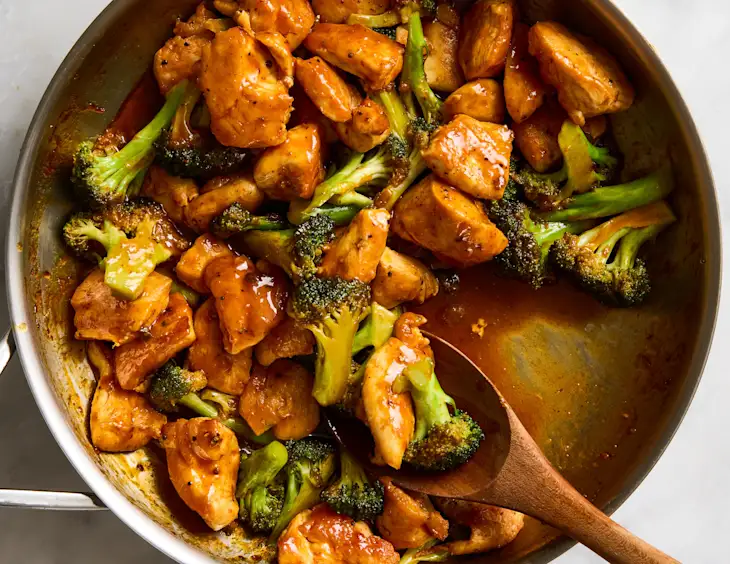
Example: Chicken stir-fry with bell peppers, broccoli, and soy sauce ready in 15 minutes
2. One-Pot or Sheet-Pan Meals
-
Cook proteins, vegetables, and grains together in one dish
-
Minimal cleanup and fast assembly
-
Use olive oil, herbs, and spices for flavor
Example: Sheet-pan salmon with asparagus and cherry tomatoes ready in 20 minutes
3. Quick Boiling and Sautéing
-
Boil pasta, quinoa, or rice while preparing a sauce or protein
-
Sauté vegetables or protein in parallel to save time
Example: Pasta with garlic, spinach, and shrimp in 20 minutes
4. Microwave or Pressure Cooker Recipes
-
Steam vegetables or cook grains quickly in the microwave
-
Pressure cookers and instant pots reduce cooking time for beans, rice, or stews
Example: Quinoa salad with chickpeas and veggies ready in 15 minutes using a pressure cooker
5. Breakfast-for-Dinner Options
-
Eggs cook in minutes and are versatile: omelets, scrambled, or frittatas
-
Add vegetables, cheese, or pre-cooked grains for a complete meal
Example: Veggie omelet with toast ready in 10 minutes
Practical Tips for Fast Cooking
-
Keep a well-stocked pantry: Canned beans, pasta, grains, frozen vegetables, and sauces save time.
-
Prep ingredients in advance: Wash and chop vegetables or marinate proteins when you have spare time.
-
Use leftovers creatively: Transform yesterday’s dinner into today’s lunch or stir-fry.
-
Cook in batches for multiple meals: Store pre-cooked grains or proteins in the fridge.
-
Prioritize simplicity: Focus on fewer ingredients with high flavor impact.
Common Mistakes to Avoid
Even experienced cooks can slip up:
-
Overcomplicating recipes with too many ingredients
-
Not prepping ingredients ahead of time
-
Cooking at too low a heat, slowing down the process
-
Ignoring seasoning, resulting in bland dishes
-
Forgetting to multitask—prep one ingredient while another cooks
Quick Recipe Ideas
Here are a few examples of meals ready in 10–30 minutes:
-
Garlic Butter Shrimp with Veggies – 15 minutes
-
Chicken and Vegetable Stir-Fry – 20 minutes
-
Quinoa and Chickpea Salad – 15 minutes
-
Veggie Omelet with Whole-Grain Toast – 10 minutes
-
Sheet-Pan Salmon and Asparagus – 20 minutes
Tip: Rotate proteins and vegetables to keep meals interesting while staying fast.
FAQs About Fast Cooking
1. Can fast cooking be healthy?
Absolutely. Focus on fresh ingredients, lean proteins, and whole grains—speed doesn’t mean sacrificing nutrition.
2. How do I make meals faster without pre-chopped ingredients?
Use a sharp knife, batch prep on weekends, or buy pre-washed/ready-to-cook vegetables.
3. Are one-pot meals truly convenient?
Yes. They save time on both cooking and cleanup, making them ideal for busy schedules.
4. Can I cook a balanced meal in under 20 minutes?
Yes. Combine a protein, complex carbs, and vegetables using fast-cooking methods like stir-fry, omelets, or microwaving grains.
5. How do I prevent burnt or undercooked food when cooking fast?
Cook on medium-high heat, stir frequently, and prep all ingredients before starting (mise en place).
Conclusion: Enjoy Homemade Meals Without Stress
Fast cooking is about efficiency, simplicity, and smart ingredient choices. By using techniques like stir-frying, one-pot meals, and batch prep, you can enjoy homemade, delicious meals even on the busiest days.
Start with one or two quick recipes today, and gradually expand your repertoire. With practice, fast cooking becomes a convenient, healthy, and enjoyable part of your daily routine.