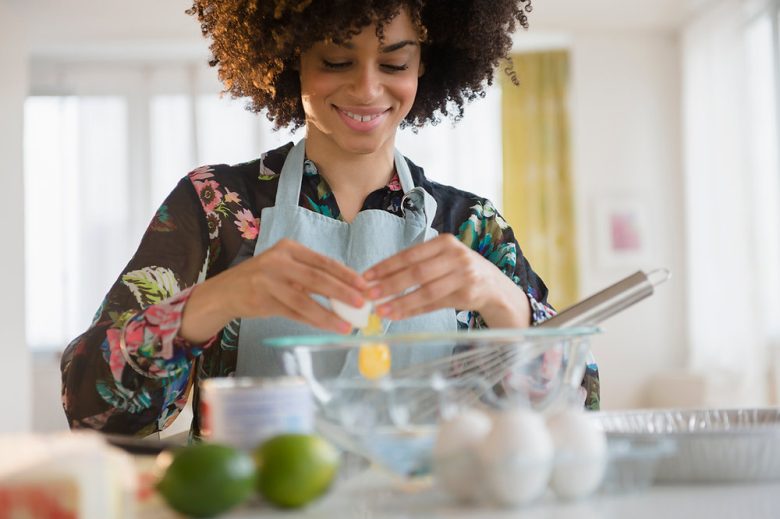
When I first started cooking, I struggled with basic tasks—chopping vegetables evenly, properly searing meat, or boiling pasta without it sticking. I realized that having strong kitchen skills matters more than following complicated recipes. Once I focused on improving foundational skills, cooking became faster, easier, and more enjoyable.
In this guide, I’ll share practical kitchen skill tips that will help beginners and even intermediate cooks prepare meals confidently, efficiently, and safely.
Why Developing Kitchen Skills Matters
Strong kitchen skills provide benefits beyond cooking delicious meals:
-
Efficiency: Prep and cook faster
-
Safety: Reduce risks of cuts, burns, or kitchen accidents
-
Creativity: Adapt recipes and improvise with ingredients
-
Consistency: Achieve reliable results every time
-
Confidence: Enjoy cooking without stress or hesitation
Even mastering a few fundamental skills can dramatically improve your kitchen experience.
Essential Kitchen Skills for Beginners
Here are the core skills every cook should develop:
1. Knife Skills
Basics:
-
Learn proper grip and control
-
Use a sharp knife—dull knives are dangerous
-
Practice chopping, dicing, slicing, and mincing
Tips:
-
Use the “claw grip” to protect fingers
-
Keep a cutting board stable with a damp towel underneath
-
Start with softer vegetables (like bell peppers) before moving to harder ones (like carrots)
Why it matters: Precise cuts ensure even cooking and improve presentation.
2. Proper Cooking Temperatures
-
Meat: Use a thermometer to check doneness (chicken: 165°F / 74°C, beef: 145°F / 63°C for medium rare)
-
Vegetables: Know when to boil, sauté, or roast to preserve texture and nutrients
-
Oils: Use high-smoke-point oils (like avocado or sunflower) for frying to prevent burning
Tip: Learn the difference between simmering, boiling, and poaching for consistent results.
3. Flavor Building
-
Master basic seasoning: salt, pepper, acids (lemon, vinegar), and fats (butter, olive oil)
-
Use fresh herbs and spices to enhance dishes
-
Taste as you go and adjust gradually
Why it matters: Proper seasoning transforms simple ingredients into flavorful meals.
4. Timing and Multi-Tasking
-
Understand which ingredients cook faster
-
Prepare ingredients (mise en place) before starting
-
Cook proteins, grains, and vegetables in parallel for efficiency
Tip: Start with dishes that allow simultaneous cooking, like sautéing vegetables while boiling rice.
5. Basic Sauces and Stocks
-
Learn simple sauces: tomato sauce, vinaigrette, or pan sauce
-
Understand basic stocks for soups or stews
-
Sauces elevate dishes without needing complicated recipes
Tip: Keep frozen stock cubes for quick use in meals.
6. Food Safety and Hygiene
-
Wash hands and utensils regularly
-
Separate raw and cooked foods to prevent cross-contamination
-
Store perishable items correctly in the fridge or freezer
-
Cook meat to safe internal temperatures
Why it matters: Prevents foodborne illness and keeps your kitchen safe.
Practical Tips to Improve Kitchen Skills
-
Practice consistently: Repeat basic tasks to build muscle memory
-
Watch tutorials: Videos can show knife techniques, sautéing, or plating
-
Start simple: Master one skill at a time instead of everything at once
-
Experiment: Try small variations in flavor or technique to understand effects
-
Keep organized: A tidy workspace improves speed and reduces mistakes
Common Mistakes to Avoid
Even beginners often make these errors:
-
Using dull knives or incorrect cutting techniques
-
Overcrowding pans, causing uneven cooking
-
Ignoring seasoning until the end
-
Skipping prep steps (mise en place)
-
Not cleaning as they go, leading to chaos
FAQs About Kitchen Skills
1. How can I improve my knife skills quickly?
Practice daily with different vegetables, use proper grip, and focus on consistency rather than speed.
2. Do I need fancy tools to cook well?
No. Basic knives, pots, pans, and utensils are sufficient for most dishes.
3. How can I avoid overcooking meat or vegetables?
Use timers, thermometers, and practice observing texture, color, and aroma.
4. How do I balance flavors in cooking?
Taste frequently, adjust salt, acidity, and fat gradually, and layer flavors rather than adding everything at once.
5. Can I learn all kitchen skills at home?
Yes. With practice, tutorials, and consistency, you can master foundational skills without professional training.
Conclusion: Build Skills, Gain Confidence
Kitchen skills are the foundation of cooking. By mastering knife techniques, proper temperatures, flavor building, timing, and food safety, you can cook confidently and efficiently.
Start practicing one skill at a time—chop vegetables neatly today, prepare a simple sauce tomorrow, or monitor cooking temperatures carefully. Gradually, your kitchen confidence will grow, and cooking will become enjoyable, creative, and stress-free.