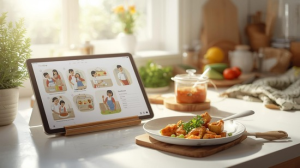
Cooking at home for the first time can feel overwhelming. You might worry about burning food, using the wrong ingredients, or wasting time and money on meals that don’t turn out right. Many first-time home cooks believe cooking requires natural talent or years of experience, but that simply isn’t true. Cooking is a practical life skill that anyone can learn—one step at a time.
The secret to success in the kitchen isn’t perfection. It’s having a clear process, understanding the basics, and building confidence through simple, repeatable steps. This guide is designed specifically for beginners who want to cook at home without stress, confusion, or frustration. By following these step-by-step approaches, you’ll gain control, confidence, and consistency in your cooking journey.
Start With a Simple and Realistic Mindset
One of the biggest mistakes first-time home cooks make is setting unrealistic expectations. Social media and cooking shows often make meals look effortless and flawless, which can discourage beginners when their results don’t match up.
Instead of aiming for perfection, aim for progress. Your first meals don’t need to be fancy or restaurant-quality. Focus on learning basic techniques, understanding flavors, and getting comfortable in the kitchen. Cooking is a skill developed through repetition, not pressure.
Approaching cooking with patience and curiosity helps reduce fear and encourages experimentation. Mistakes aren’t failures—they’re part of the learning process.
Learn Basic Kitchen Safety Before Cooking
Before cooking your first meal, it’s essential to understand basic kitchen safety. This not only protects you from injuries but also builds confidence.
Start with simple rules:
- Keep knives sharp and handle them carefully
- Use dry hands when working near heat
- Turn pot handles inward on the stove
- Clean spills immediately to prevent slips
Understanding how to safely use knives, stovetops, and appliances creates a strong foundation. When you feel safe, you cook with more focus and less anxiety.
Choose Beginner-Friendly Recipes
Not all recipes are suitable for first-time home cooks. Complex dishes with long ingredient lists and advanced techniques can lead to frustration.
Begin with recipes that:
- Use 5–10 simple ingredients
- Have clear, step-by-step instructions
- Require basic cooking methods like boiling, sautéing, or baking
Simple meals such as stir-fries, pasta dishes, omelets, soups, and roasted vegetables are excellent starting points. These recipes teach core skills that transfer easily to more advanced cooking later.
Read and Understand the Recipe Step by Step
A common beginner mistake is jumping straight into cooking without fully understanding the recipe. This often leads to missed steps, wrong timing, or confusion halfway through.
Before starting:
- Read the entire recipe from start to finish
- Identify cooking times and temperature changes
- Note any steps that require preparation in advance
Understanding the flow of a recipe helps you stay organized and prevents last-minute stress. Cooking becomes smoother when you know what’s coming next.
Prepare Ingredients Before Turning on the Stove
Preparation is one of the most important step-by-step approaches for first-time cooks. Professional chefs prepare everything before cooking, and beginners benefit even more from this habit.
Before cooking:
- Wash and chop vegetables
- Measure spices and ingredients
- Prepare sauces or marinades
This method keeps you focused and prevents food from burning while you rush to prepare the next step. Organized preparation leads to calmer, more enjoyable cooking.
Master Basic Cooking Techniques One at a Time
You don’t need to learn everything at once. Focus on mastering one basic technique before moving on to the next.
Start with:
- Boiling and simmering
- Sautéing with moderate heat
- Baking simple dishes
- Steaming vegetables
Understanding how heat works and how ingredients respond helps prevent overcooking or undercooking. Once these basics feel natural, learning advanced techniques becomes much easier.
Control Heat and Timing Carefully
Many first-time home cooks use heat incorrectly, thinking higher heat means faster results. In reality, too much heat causes burning and uneven cooking.
Use medium heat for most dishes unless the recipe says otherwise. Allow pans to heat gradually, and avoid constantly stirring or flipping food. Cooking is about balance, not speed.
Timing is equally important. Use a timer when necessary, and avoid guessing. Over time, you’ll develop a natural sense of doneness.
Season Food Gradually and Taste as You Cook
Bland food is a common beginner complaint, usually caused by under-seasoning or seasoning only at the end.
Season food step by step:
- Add a small amount of salt at the beginning
- Adjust seasoning during cooking
- Taste before serving and fine-tune
Tasting your food helps you understand flavors and prevents over-seasoning. This habit builds confidence and improves results dramatically.
Use Simple Tools Instead of Overcomplicating
You don’t need expensive gadgets to cook well. In fact, too many tools can confuse beginners.
Focus on essential tools:
- A sharp knife
- A cutting board
- One good pan
- Basic measuring cups and spoons
Learning to use simple tools properly makes cooking more approachable and reduces frustration caused by unnecessary equipment.
Clean as You Cook to Stay Organized
A messy kitchen can quickly overwhelm a new cook. Cleaning as you go keeps your workspace manageable and your mind focused.
Wash used utensils while food cooks, wipe surfaces between steps, and throw away waste immediately. Staying organized improves efficiency and reduces stress, especially in small kitchens.
Build Confidence Through Repetition
Confidence in cooking doesn’t come from one successful meal—it comes from repetition. Cooking the same recipe multiple times helps you understand timing, flavors, and techniques.
Once you’re comfortable with a dish, try small variations. Change a spice, swap vegetables, or adjust seasoning. These small experiments help you grow without fear.
Frequently Asked Questions
What is the best way for first-time home cooks to start?
Start with simple recipes, basic tools, and step-by-step preparation. Focus on learning techniques rather than aiming for perfection.
How long does it take to feel confident cooking at home?
Confidence builds gradually. Most beginners feel comfortable after a few weeks of regular cooking and repetition.
Is it okay to make mistakes while cooking?
Absolutely. Mistakes are part of the learning process. Each mistake teaches you something valuable.
Do I need special ingredients to cook well at home?
No. Basic, fresh ingredients and proper technique matter more than specialty items.
How can I avoid wasting food as a beginner?
Plan meals, cook smaller portions, and reuse leftovers creatively to reduce waste.
Conclusion
Learning to cook at home for the first time doesn’t have to be stressful or intimidating. By following step-by-step approaches, choosing simple recipes, preparing ingredients in advance, and mastering basic techniques, first-time home cooks can build confidence quickly. Cooking becomes easier when you focus on process rather than perfection. With patience, practice, and a willingness to learn, your skills will steadily improve. Every meal teaches you something new, even when things don’t go perfectly. Over time, cooking transforms from a challenge into a rewarding daily habit. Stay consistent, trust yourself, and enjoy the journey of becoming a confident home cook.