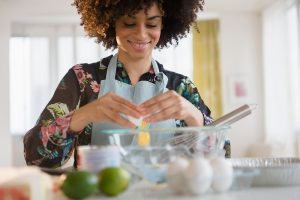
Cooking is more than just a necessity—it’s a valuable life skill that can save money, improve your health, and make everyday meals more enjoyable. However, for many beginners or busy individuals, cooking can feel intimidating or time-consuming. The good news is that by developing a few practical skills, anyone can enhance their everyday cooking, making it faster, easier, and more satisfying. In this article, we’ll explore essential skills and tips to help you become more confident in the kitchen.
Mastering Basic Knife Skills
One of the first steps to improving your cooking is mastering knife skills. Proper cutting techniques not only make food preparation faster but also safer and more precise. Here’s how to get started:
Choose the Right Knife
- Chef’s Knife: A versatile, all-purpose knife suitable for chopping vegetables, slicing meat, and mincing herbs.
- Paring Knife: Ideal for peeling, trimming, or working with smaller ingredients.
- Serrated Knife: Perfect for cutting bread or soft fruits without squishing them.
Learn Basic Cutting Techniques
- Chopping: Quick, uniform cuts for vegetables like onions or carrots.
- Dicing: Cutting food into small, even cubes for soups and stews.
- Julienne: Thin, matchstick-like strips ideal for salads or stir-fries.
- Mincing: Fine cuts for garlic, herbs, or onions that release maximum flavor.
Safety Tips
- Keep your fingers tucked under when holding ingredients.
- Use a stable cutting board to prevent slipping.
- Maintain sharp knives—dull knives are more dangerous than sharp ones.
By practicing these techniques, you’ll save time, create evenly cooked meals, and reduce the risk of accidents in the kitchen.
Understanding Heat and Cooking Techniques
Cooking isn’t just about following a recipe—it’s about knowing how heat transforms food. Learning the right techniques can improve the taste, texture, and appearance of your meals.
Key Cooking Methods
- Sautéing: Cooking quickly in a small amount of oil over medium-high heat. Perfect for vegetables and small pieces of meat.
- Boiling and Simmering: Boiling for pasta or simmering soups and sauces gently to develop flavors.
- Roasting: Using dry heat in the oven to enhance the natural flavors of vegetables and meats.
- Grilling: High heat that sears the exterior while keeping the inside juicy.
- Steaming: A healthy method for vegetables and fish, retaining nutrients and moisture.
Controlling Temperature
- Preheat pans and ovens before cooking for even results.
- Adjust heat to prevent overcooking or burning.
- Use a thermometer for meats to ensure safe and perfectly cooked results.
Understanding heat and techniques will make cooking less guesswork and more enjoyable, giving your dishes a professional touch.
Meal Planning and Organization
Cooking can be stressful if you don’t plan ahead. Meal planning and organization are essential skills that save time, reduce food waste, and help you eat healthier.
Steps for Effective Meal Planning
- Set a Weekly Menu: Decide what you’ll cook for the week, including breakfast, lunch, and dinner.
- Make a Shopping List: Include all ingredients needed to prevent last-minute grocery trips.
- Prep Ingredients in Advance: Wash, chop, or marinate items to save time during busy days.
- Use Storage Wisely: Store prepped ingredients in airtight containers to maintain freshness.
Tips for Organization
- Keep your kitchen clean and clutter-free for efficiency.
- Group utensils and ingredients by function to save time.
- Learn to multitask—start slow-cooking dishes while preparing other components.
By organizing your cooking process, you’ll find it easier to enjoy the experience rather than stress over it.
Flavoring Your Food Like a Pro
Even simple meals taste better when seasoned correctly. Understanding flavor combinations and seasoning techniques is a game-changer in everyday cooking.
Essential Seasonings
- Salt and Pepper: Basic seasonings that enhance natural flavors.
- Herbs: Fresh or dried, herbs like basil, parsley, and thyme add aroma and taste.
- Spices: Add warmth and depth—think cumin, paprika, and turmeric.
- Acids: Lemon juice, vinegar, or wine can brighten flavors and balance richness.
Tips for Flavor Enhancement
- Taste as you go to adjust seasoning gradually.
- Combine textures and flavors for more interesting meals.
- Toast spices lightly to release their natural oils and enhance aroma.
By experimenting with flavors, you can turn ordinary ingredients into delicious, memorable meals without relying on processed sauces.
Efficient Cooking Techniques
Improving efficiency in the kitchen reduces stress and makes cooking enjoyable. These practical skills help you prepare meals faster without compromising quality.
Batch Cooking
- Cook larger portions and store them for later.
- Ideal for soups, stews, pasta sauces, and roasted vegetables.
One-Pot or Sheet Pan Meals
- Minimize cleanup by cooking everything in a single dish.
- Great for weeknight dinners when time is limited.
Time-Saving Tools
- Sharp Knives: Speeds up prep.
- Food Processor: Quickly chops, grates, or purees ingredients.
- Slow Cooker or Instant Pot: Perfect for hands-off cooking.
Efficient techniques ensure you spend less time in the kitchen and more time enjoying your meals.
Developing a Comfort with Experimentation
Cooking becomes more enjoyable when you feel comfortable experimenting. Don’t be afraid to try new ingredients, techniques, or recipes.
Simple Ways to Experiment
- Swap vegetables or proteins in your favorite recipes.
- Mix spices to create new flavor profiles.
- Adjust cooking times to see how it affects texture and taste.
Benefits of Experimentation
- Expands your culinary knowledge.
- Builds confidence in making dishes without strict instructions.
- Encourages creativity and personal style in the kitchen.
With practice, experimentation will become a fun and rewarding part of your cooking routine.
Keeping Your Kitchen Stocked
A well-stocked kitchen makes cooking easier and reduces the temptation to rely on takeout. Keep basic staples on hand so you’re always ready to cook.
Pantry Essentials
- Rice, pasta, and grains for quick meals.
- Canned beans, tomatoes, and broths for versatility.
- Cooking oils, vinegar, and essential spices.
Fridge and Freezer Essentials
- Fresh vegetables and fruits.
- Proteins like chicken, eggs, and fish.
- Herbs and condiments for flavor.
Having these ingredients available ensures you can whip up meals without extra stress or last-minute shopping.
Conclusion
Improving everyday cooking doesn’t require expensive tools or professional training. By mastering basic knife skills, understanding heat and cooking methods, planning meals, seasoning food effectively, and staying organized, you can create delicious and satisfying meals with confidence. Efficient cooking techniques, experimentation, and a well-stocked kitchen further simplify the process, making everyday cooking a practical and enjoyable part of your life. With consistent practice, these skills will become second nature, helping you save time, reduce stress, and impress yourself and others with tasty, home-cooked meals.
FAQs
1. How can I improve my knife skills quickly?
Practice consistently with basic techniques like chopping, dicing, and mincing. Start with vegetables before moving to meats. Keep your knives sharp and use proper cutting safety methods.
2. What are the easiest cooking methods for beginners?
Sautéing, boiling, and roasting are beginner-friendly methods. They require minimal experience and are forgiving while producing tasty results.
3. How can I make my meals more flavorful without adding extra salt?
Use fresh herbs, spices, citrus, vinegar, and aromatics like garlic or onions. These add depth and brightness without relying on excessive salt.
4. What’s the best way to save time when cooking weeknight meals?
Meal planning, batch cooking, and one-pot dishes save significant time. Prepping ingredients in advance also streamlines the cooking process.
5. How do I know if my food is cooked correctly?
Use a thermometer for meats, follow recommended cooking times for vegetables and grains, and rely on sight, texture, and taste as a guide.