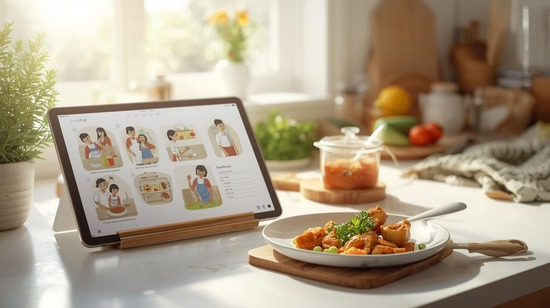
When I first started cooking, I was intimidated by recipes, kitchen tools, and the fear of making mistakes. Every dish felt like a potential disaster, and I often resorted to takeout.
Over time, I realized that cooking is a skill that anyone can master with simple steps and guidance. By focusing on basic techniques, essential ingredients, and practical strategies, I gradually became confident in the kitchen—and started enjoying cooking rather than fearing it.
In this guide, I’ll share beginner-friendly cooking tips, techniques, and step-by-step guidance so anyone can prepare delicious meals at home, even with minimal experience.
Why Learning to Cook Matters
Cooking at home has benefits beyond just making food:
-
Saves money: Homemade meals are cheaper than takeout.
-
Healthier eating: Control ingredients, portion sizes, and avoid excessive salt, sugar, and fats.
-
Boosts creativity: Experiment with flavors, textures, and cuisines.
-
Builds confidence: Knowing you can cook opens up endless meal possibilities.
-
Enhances social life: Share meals with family and friends.
Even simple recipes can have a big impact on your lifestyle.
Essential Tools for Beginner Cooks
Before diving into cooking, having the right tools makes life easier:
-
Basic knives: Chef’s knife and paring knife
-
Cutting boards: Separate boards for vegetables and meat
-
Pots and pans: A medium saucepan, frying pan, and stockpot
-
Measuring cups and spoons: For accuracy in recipes
-
Mixing bowls and utensils: Wooden spoon, spatula, whisk
Tip: You don’t need fancy gadgets—start with basics and add specialized tools as you gain experience.
Beginner Cooking Techniques
Learning a few fundamental techniques will help you prepare almost any meal:
1. Boiling and Simmering
-
Boiling: Rapid bubbles, used for pasta, rice, and vegetables
-
Simmering: Gentle bubbles, ideal for soups, sauces, and stews
Tip: Use a lid to speed up boiling and adjust heat for a steady simmer.
2. Sautéing and Stir-Frying
-
Sautéing: Cooking quickly in a small amount of oil over medium-high heat
-
Stir-frying: High heat with constant movement, common in Asian cuisine
Tip: Preheat the pan and avoid overcrowding—it ensures even cooking.
3. Baking Basics
-
Preheat the oven to the correct temperature
-
Measure ingredients accurately
-
Follow timing instructions, but check for doneness (toothpick test for cakes, golden color for bread)
Tip: Baking is chemistry—precision matters more than in other cooking methods.
4. Roasting
-
Ideal for vegetables, chicken, and fish
-
Coat with a little oil, salt, and pepper
-
Roast at high heat for caramelization
Tip: Toss halfway through cooking for even browning.
5. Simple Seasoning
-
Salt and pepper are basics—start with them
-
Use herbs like basil, parsley, or thyme
-
Experiment gradually with spices—don’t overcomplicate
Tip: Taste as you cook and adjust seasoning gradually.
Practical Cooking Tips for Beginners
-
Read recipes completely before starting
-
Prep ingredients first (mise en place)
-
Keep a clean workspace to avoid accidents
-
Start with simple recipes—master the basics first
-
Use timers to prevent overcooking
-
Don’t fear mistakes—every error is a learning opportunity
-
Taste frequently and adjust flavors
Easy Recipes to Start With
Here are some beginner-friendly dishes to practice:
-
Scrambled Eggs: Basic protein-rich breakfast
-
Pasta with Tomato Sauce: Learn boiling, simmering, and seasoning
-
Stir-Fried Vegetables: Quick, healthy, and teaches sautéing
-
Roasted Chicken and Veggies: Teaches roasting and simple seasoning
-
Smoothies or Overnight Oats: Minimal cooking, builds confidence
Tip: Repeat recipes to build muscle memory—soon you’ll modify them to suit your taste.
Common Mistakes Beginners Make
Even with care, beginners often:
-
Overcrowd pans, causing uneven cooking
-
Skip prep and multitask, leading to mistakes
-
Overcook proteins, leaving them dry or tough
-
Underseason, resulting in bland dishes
-
Rely solely on recipes—don’t learn to taste and adjust
FAQs About Beginner Cooking
1. Do I need expensive tools to start cooking?
No. Basic knives, pots, pans, and utensils are enough to prepare most meals.
2. How do I know when food is cooked properly?
Use visual cues, timers, and simple tests (toothpick for cakes, internal temperature for meat).
3. How can I prevent burning food?
Use the correct heat level, stir regularly, and preheat pans as needed.
4. How do I make food taste better as a beginner?
Start with salt, pepper, and fresh herbs. Taste often and adjust seasoning gradually.
5. How can I build confidence in cooking?
Start with simple recipes, practice regularly, and don’t fear mistakes—learning comes from trial and error.
Conclusion: Start Cooking Today
Cooking is a skill, not a talent—you can learn it step by step. By mastering basic techniques, understanding simple ingredients, and practicing regularly, you can prepare delicious, healthy meals at home.
Start with one simple recipe today, and gradually build your skills. With consistency and curiosity, cooking will become enjoyable, empowering, and a valuable life skill.