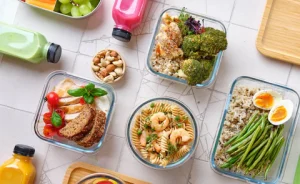
Meal planning can often feel overwhelming, especially for beginners trying to balance work, family, and personal life. A chaotic kitchen can lead to stress, poor food choices, and wasted time. The good news is that with a few simple strategies, you can turn meal prep into a stress-relieving activity. This guide will help you create practical daily meal prep ideas that save time, reduce stress, and make healthy eating easier.
Why Daily Meal Prep Reduces Stress
Meal prep is more than just a way to save time. It provides structure and organization to your daily routine, allowing you to focus on other priorities without worrying about what’s for lunch or dinner. When you plan meals in advance, you reduce the mental load of decision-making and avoid last-minute unhealthy choices.
Benefits of daily meal prep include:
- Time-saving: Prepping meals ahead of time reduces daily cooking time.
- Budget-friendly: Planning meals helps prevent impulsive spending on takeout.
- Better nutrition: Preparing meals at home allows you to control ingredients.
- Less stress: Knowing your meals are ready reduces anxiety about mealtime.
Start Simple with Weekly Meal Planning
Before diving into daily meal prep, start by planning your week. A simple plan can guide your grocery shopping and reduce stress during busy days.
Steps to effective weekly meal planning:
- List your meals: Write down breakfast, lunch, dinner, and snacks for the week.
- Check your pantry: Use what you already have to avoid unnecessary purchases.
- Create a shopping list: Only buy what’s needed for your planned meals.
- Batch cooking: Identify meals that can be cooked in bulk and stored.
Even a basic weekly plan provides a framework that makes daily prep easier.
Easy Breakfast Prep Ideas
Mornings are often the most stressful part of the day, and skipping breakfast can impact energy levels. Preparing breakfast ahead of time makes mornings smoother.
Simple breakfast ideas include:
- Overnight oats: Mix oats, milk or plant-based milk, and fruits in a jar the night before.
- Egg muffins: Whisk eggs with vegetables, pour into muffin tins, and bake for easy grab-and-go meals.
- Smoothie packs: Pre-portion fruits and vegetables in freezer bags, ready to blend in the morning.
- Greek yogurt parfaits: Layer yogurt, granola, and berries in jars for quick access.
These options save time, reduce morning stress, and provide balanced nutrition to start the day right.
Lunch Prep for Busy Days
Lunch can be a challenge for many, especially those with tight schedules. Preparing lunches in advance ensures you have healthy options without rushing or resorting to fast food.
Lunch prep tips:
- Mason jar salads: Layer vegetables, protein, and grains in jars, keeping dressing at the bottom to stay fresh.
- Grain bowls: Cook a batch of rice or quinoa, add roasted vegetables, and top with lean protein.
- Wraps and sandwiches: Assemble wraps with lean meat, cheese, and veggies, storing them in airtight containers.
- Leftover makeover: Repurpose dinner leftovers into a new lunch to save time and reduce waste.
Organizing lunches in containers or bento boxes makes grabbing a meal effortless and stress-free.
Dinner Prep Strategies
Dinner often requires the most attention, as it comes after a long day. Simplifying dinner through meal prep helps maintain healthy routines without stress.
Stress-free dinner ideas:
- Batch-cooked proteins: Grill or bake chicken, fish, or tofu in bulk for easy use throughout the week.
- Sheet pan meals: Roast vegetables and proteins together on a sheet pan for a hands-off cooking method.
- Slow cooker recipes: Throw ingredients into a slow cooker in the morning and return to a ready-to-eat meal.
- One-pot meals: Stews, chili, and pasta dishes minimize cleanup and save time.
Prepping dinner ingredients ahead, like chopping vegetables or marinating proteins, can cut cooking time in half.
Smart Snack Prep
Healthy snacks prevent unhealthy cravings and keep energy levels stable. Prepping snacks ahead of time reduces stress when hunger strikes.
Snack prep ideas:
- Cut vegetables and fruits: Store carrot sticks, celery, and apple slices in containers for easy access.
- Energy balls: Blend oats, nut butter, honey, and chocolate chips, roll into balls, and refrigerate.
- Trail mix bags: Mix nuts, seeds, and dried fruit in small portions for grab-and-go snacks.
- Cheese and crackers: Pre-portion cheese cubes and whole-grain crackers in snack containers.
Having ready-to-eat snacks eliminates last-minute stress and encourages healthier choices.
Organizing Your Kitchen for Stress-Free Prep
A cluttered kitchen can make meal prep feel like a chore. Keeping your cooking space organized makes the process more efficient and calming.
Organization tips:
- Use clear containers: Labeling helps quickly identify ingredients.
- Group similar items: Keep snacks, grains, and proteins in separate zones.
- Prep tools handy: Store chopping boards, knives, and measuring cups within easy reach.
- Clean as you go: Minimizes post-cooking stress and keeps the space inviting.
A well-organized kitchen turns meal prep into a simple, enjoyable task rather than a stressful one.
Time-Saving Meal Prep Hacks
For beginners, a few simple hacks can make daily meal prep more manageable:
- Cook in bulk: Prepare large batches of grains, proteins, and vegetables at once.
- Freeze portions: Freeze cooked meals or ingredients to extend freshness.
- Use convenience wisely: Pre-washed greens, canned beans, or frozen veggies save time.
- Prep ingredients, not meals: Chopping vegetables and cooking proteins in advance gives flexibility in meal creation.
These small hacks make meal prep more efficient and less intimidating for beginners.
Tips for Maintaining Consistency
Consistency is key to reaping the stress-reducing benefits of meal prep. Here are ways to stay on track:
- Start small: Prep a few meals at a time, then gradually expand.
- Set a schedule: Dedicate a specific day or time each week for meal prep.
- Mix it up: Rotate recipes to prevent boredom.
- Track progress: Keep a simple journal or app to monitor your meals and prep habits.
By building a routine, meal prep becomes a stress-reducing habit rather than a one-time task.
Conclusion
Daily meal prep doesn’t have to be complicated or time-consuming. By planning your meals, preparing breakfast, lunch, dinner, and snacks ahead of time, and keeping your kitchen organized, you can significantly reduce stress and improve your daily routine. Using simple strategies like batch cooking, slow cooker meals, and pre-portioned snacks helps maintain consistency and ensures you always have healthy options on hand. Meal prep is not just about food; it’s about creating a smoother, more peaceful daily life where stress around mealtime is minimized.
FAQs
1. How much time should I dedicate to daily meal prep?
You don’t need hours every day. Spending 30–60 minutes preparing meals or ingredients can be enough. Start small and gradually increase as you get comfortable.
2. Can I prep meals for the whole week?
Yes, but make sure to store perishable items properly. Proteins, cooked grains, and chopped vegetables can be refrigerated or frozen to maintain freshness.
3. How do I keep meals from getting boring?
Rotate recipes weekly, use different herbs and spices, and experiment with new proteins or grains to keep meals interesting.
4. Is meal prep suitable for beginners?
Absolutely. Start with simple recipes and small portions. As you gain confidence, you can expand to more complex meals.
5. Can meal prep help with weight management?
While this guide focuses on reducing stress, meal prep can also support healthy eating habits and portion control, which may aid weight management naturally.