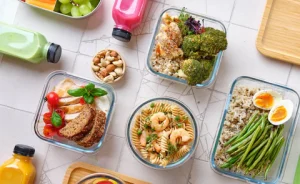
Weekdays can often feel like a whirlwind. Between work, school, errands, and family commitments, finding the time to prepare healthy meals may seem impossible. However, with a few easy planning solutions, you can enjoy nutritious meals without feeling stressed or rushed. This guide provides practical strategies to make weekday meal planning simple, efficient, and enjoyable.
Why Planning Weekday Meals Matters
Planning meals ahead of time offers more than just convenience. It creates structure in your daily routine and ensures you make healthier choices even on busy days.
Benefits of weekday meal planning include:
- Saves time: Reduces last-minute cooking or ordering takeout.
- Reduces stress: Knowing what to cook each day eliminates mealtime anxiety.
- Promotes healthy eating: Allows better control over ingredients and portions.
- Minimizes food waste: Buying only what you need prevents unused groceries from spoiling.
By planning ahead, you turn hectic weekdays into smoother, more organized days.
Start with a Weekly Meal Outline
Creating a weekly outline is the first step toward stress-free weekday meals. A simple plan provides guidance without being overwhelming.
How to create a weekly meal outline:
- List all meals: Include breakfast, lunch, dinner, and snacks.
- Check your pantry: Use existing ingredients to reduce shopping.
- Balance nutrition: Incorporate proteins, vegetables, whole grains, and healthy fats.
- Include flexibility: Plan a few interchangeable meals for busy or unpredictable days.
A weekly outline keeps your meals structured while allowing room for flexibility.
Quick Breakfast Solutions
Mornings are often rushed, making it easy to skip breakfast or grab unhealthy options. Preparing quick and nutritious breakfast options helps you start the day energized.
Easy breakfast ideas include:
- Overnight oats: Combine oats, milk or plant-based milk, and fruits in a jar for a ready-to-eat meal.
- Smoothie packs: Pre-portion fruits, vegetables, and protein powder in freezer bags for quick blending.
- Egg muffins: Mix eggs with vegetables, pour into muffin tins, and bake for grab-and-go breakfasts.
- Greek yogurt parfaits: Layer yogurt, berries, and granola in jars for a quick, balanced meal.
Batch-prepping breakfast not only saves time but ensures you get a nutritious start every day.
Easy Lunch Planning
Lunch can often be the most neglected meal. Prepping lunches ahead ensures you have a healthy, satisfying meal ready without rushing.
Lunch prep strategies:
- Mason jar salads: Layer vegetables, protein, and grains in jars, keeping dressing separate.
- Grain bowls: Cook rice, quinoa, or barley in bulk and top with roasted vegetables and lean protein.
- Wraps and sandwiches: Assemble wraps with whole-grain tortillas, lean proteins, and fresh vegetables.
- Leftover transformations: Use dinner leftovers to create new, quick lunches.
Organizing lunches in containers makes it easy to grab meals and reduces stress during busy workdays.
Simplified Dinner Solutions
Dinner often feels like the hardest meal to manage after a long day. Simplifying dinner with prep strategies makes it manageable and enjoyable.
Stress-free dinner strategies include:
- Batch-cooked proteins: Grill or bake chicken, fish, or tofu in bulk.
- Sheet pan meals: Roast vegetables and proteins together on one pan to minimize cooking and cleanup.
- Slow cooker recipes: Prepare ingredients in the morning for a ready-to-eat meal at dinner.
- One-pot meals: Stews, chili, and stir-fries save time and reduce dishes.
Pre-chopping vegetables or marinating proteins ahead of time can save 15–30 minutes on busy evenings.
Snack Prep for Energy and Balance
Healthy snacks keep energy levels stable and prevent overeating during main meals. Prepping snacks ahead makes it easy to maintain healthy habits.
Snack ideas for busy weekdays:
- Cut vegetables and fruits: Carrots, celery, bell peppers, and apple slices stored in containers for quick access.
- Trail mix: Portion nuts, seeds, and dried fruit into snack bags.
- Energy balls: Mix oats, nut butter, and honey, roll into balls, and store in the fridge.
- Cheese and whole-grain crackers: Pre-portion for grab-and-go convenience.
Having ready-to-eat snacks helps you stay on track with healthy eating and reduces the temptation to grab unhealthy options.
Smart Grocery Shopping Tips
Grocery shopping is essential for successful meal planning. A smart shopping approach saves money, reduces stress, and supports healthy eating.
Tips for efficient shopping:
- Plan before you shop: Use your weekly meal outline to make a precise shopping list.
- Shop perimeter first: Focus on fresh produce, proteins, and dairy before processed foods.
- Buy in bulk: Purchase staples like rice, beans, or oats to save time and money.
- Organize your cart: Group items by category to make checkout faster and more efficient.
An organized grocery trip simplifies meal prep and ensures you have all the ingredients you need for the week.
Time-Saving Meal Prep Techniques
Saving time is crucial during busy weekdays. A few simple techniques can make meal prep more efficient and stress-free.
Time-saving strategies:
- Batch cooking: Prepare large quantities of grains, proteins, or vegetables at once.
- Freeze meals: Freeze portions of cooked meals for later use.
- Use pre-prepped ingredients: Frozen vegetables, pre-washed greens, or canned beans save prep time.
- Prep ingredients, not meals: Chopping vegetables or marinating proteins in advance gives flexibility in cooking.
These small adjustments make weekday meal planning manageable even for beginners.
Maintaining Consistency
Consistency is the key to successfully implementing weekday meal planning. Here’s how to stay on track:
- Start small: Prep a few meals per week and gradually increase.
- Schedule prep time: Dedicate a consistent day or time for meal prep.
- Rotate recipes: Prevent boredom by changing meals weekly.
- Track progress: Use a simple journal or app to monitor meals and prep habits.
Consistency transforms meal planning from a stressful task into a helpful, stress-reducing routine.
Conclusion
Planning healthy weekday meals doesn’t have to be complicated or time-consuming. By using weekly meal outlines, prepping breakfast, lunch, dinner, and snacks, and organizing your kitchen efficiently, you can reduce stress and maintain a balanced diet. Simple strategies such as batch cooking, sheet pan meals, and freezer-friendly recipes make meal prep manageable for even the busiest schedules. With consistency and smart planning, you can enjoy nutritious, stress-free meals every weekday.
FAQs
1. How much time should I dedicate to meal prep each week?
Even 1–2 hours on a weekend or a weekday evening can be enough to prepare breakfast, lunch, dinner ingredients, and snacks.
2. Can I prep meals for the entire week?
Yes. Store perishable items properly in airtight containers or freeze portions to maintain freshness throughout the week.
3. What are some beginner-friendly meal prep ideas?
Start with simple options like overnight oats, grain bowls, sheet pan meals, and cut vegetables for snacks. These require minimal cooking skills and save time.
4. How can I keep weekday meals interesting?
Rotate recipes, use different herbs and spices, and experiment with new proteins or grains. Incorporating seasonal produce adds variety naturally.
5. Can meal planning help reduce food waste?
Absolutely. Planning meals ensures you buy only what you need, repurpose leftovers, and avoid unnecessary spoilage, helping both your budget and the environment.