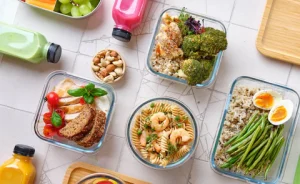
In today’s busy world, meal planning can often feel like a daunting task. Between work, family responsibilities, and social commitments, finding time to cook healthy meals can be challenging. On top of that, food waste is a major concern, with millions of tons of food discarded each year. The good news is that effective meal prep strategies can both save time and significantly reduce food waste. By planning ahead and organizing your kitchen, you can enjoy nutritious meals while making your daily routine more efficient and eco-friendly.
Why Meal Prep Matters
Meal prep is more than just a way to save time; it’s a practical strategy for improving health, efficiency, and sustainability.
Key benefits include:
- Time efficiency: Prepping meals in advance reduces daily cooking time.
- Reduced stress: Knowing your meals are ready lowers anxiety around mealtime.
- Healthier choices: Preparing meals at home allows better control over ingredients.
- Minimized food waste: Planning meals prevents ingredients from spoiling or going unused.
When done consistently, meal prep creates a structured, predictable routine, making healthy eating manageable for anyone, even with a busy schedule.
Start With a Meal Plan
The foundation of effective meal prep is a clear plan. A meal plan helps you organize ingredients, streamline cooking, and minimize waste.
Steps for creating a meal plan:
- List meals for the week: Include breakfast, lunch, dinner, and snacks.
- Check your pantry and fridge: Use existing ingredients first to avoid unnecessary purchases.
- Balance nutrition: Include proteins, vegetables, whole grains, and healthy fats.
- Plan for leftovers: Design meals that can be repurposed into other dishes to reduce waste.
Even a simple plan can save significant time and ensure that ingredients are used efficiently.
Batch Cooking: Save Time and Money
Batch cooking is one of the most effective ways to save time in the kitchen. Cooking multiple portions at once allows you to reuse ingredients and meals throughout the week.
Batch cooking tips:
- Cook grains in bulk: Prepare rice, quinoa, or pasta for multiple meals.
- Roast multiple proteins: Bake chicken, tofu, or fish in larger quantities and store for later use.
- Make versatile sauces: Prepare tomato sauce, pesto, or dressings that can be used in various dishes.
- Pre-chop vegetables: Store cut vegetables in containers for easy access.
Batch cooking saves time on busy days and reduces the temptation to order takeout, which also helps reduce unnecessary packaging waste.
Smart Grocery Shopping
Meal prep starts in the grocery store. Buying the right items in the right quantities prevents waste and ensures you have everything needed for planned meals.
Grocery shopping strategies:
- Shop with a list: Only buy what you need according to your meal plan.
- Buy in bulk wisely: Purchase staples like grains, beans, and frozen vegetables to reduce packaging waste.
- Use seasonal produce: Seasonal fruits and vegetables last longer and are often more affordable.
- Check expiration dates: Choose items with longer shelf lives when possible.
Smart shopping not only saves money but also ensures that food is used efficiently, reducing waste.
Meal Prep for Breakfast
Preparing breakfast ahead of time ensures a healthy start to the day and prevents rushed mornings.
Breakfast prep ideas:
- Overnight oats: Combine oats, milk, fruits, and seeds in jars the night before.
- Egg muffins: Bake eggs with vegetables in muffin tins for multiple servings.
- Smoothie packs: Pre-portion fruits, vegetables, and protein powders in freezer bags for quick blending.
- Chia pudding: Mix chia seeds with milk and refrigerate overnight for a ready-to-eat option.
By prepping breakfast, you reduce morning stress and ensure that ingredients don’t go to waste.
Lunch Prep Strategies
Lunch often gets overlooked, especially during busy workdays. Preparing lunch ahead of time saves time and reduces food spoilage.
Lunch prep techniques:
- Mason jar salads: Layer vegetables, protein, and grains separately to stay fresh.
- Grain bowls: Cook grains and proteins in bulk, then add roasted vegetables for a balanced meal.
- Wraps and sandwiches: Assemble wraps and store in airtight containers for easy grab-and-go options.
- Leftover transformations: Repurpose dinner leftovers into new meals to prevent waste.
Organizing lunches in reusable containers also helps reduce single-use packaging.
Dinner Prep Strategies
Dinner can be the most stressful meal of the day. Preparing ingredients or entire meals in advance simplifies the cooking process.
Dinner prep tips:
- Sheet pan meals: Roast proteins and vegetables together for minimal cleanup.
- Slow cooker recipes: Set ingredients in the morning and return to a ready-to-eat meal.
- One-pot dishes: Stews, soups, and chili save time and can be portioned for multiple meals.
- Marinate proteins in advance: Adds flavor and reduces prep time during busy evenings.
Dinner prep ensures meals are ready quickly, reducing the risk of throwing together unhealthy options.
Snack Prep Made Simple
Healthy snacks help maintain energy levels and prevent overeating at mealtime. Preparing snacks ahead reduces impulsive choices and prevents waste.
Snack prep ideas:
- Cut vegetables and fruits: Carrots, celery, and apple slices stored in containers are easy to grab.
- Trail mix: Portion nuts, seeds, and dried fruits into small reusable bags.
- Energy bites: Mix oats, nut butter, and honey into bite-sized balls and store in the fridge.
- Cheese and whole-grain crackers: Pre-portion for convenience.
Having snacks ready ensures no food is wasted and reduces reliance on single-use packaging.
Storing Meals Efficiently
Proper storage is key to extending the shelf life of prepped meals and reducing waste.
Storage tips:
- Use airtight containers: Keeps food fresh longer.
- Label and date meals: Helps track freshness and prevents accidental spoilage.
- Freeze portions: Freeze soups, stews, or cooked proteins to use later in the week.
- Store ingredients separately: Keep sauces and dressings separate until serving to maintain quality.
Efficient storage keeps prepped meals fresh, safe, and ready to eat.
Maintain Consistency
Consistency is essential for reaping the full benefits of meal prep. Incorporating prep habits into your routine ensures ongoing time savings and reduced waste.
Tips for consistency:
- Set a schedule: Dedicate a specific day or time for meal prep.
- Start small: Begin with one meal or snack and expand gradually.
- Rotate meals: Avoid boredom and waste by using different recipes weekly.
- Track your prep: Use a journal or app to monitor meals and leftover usage.
Regular prep routines help make meal planning a stress-free, sustainable habit.
Conclusion
Meal prep strategies not only save time but also reduce food waste, improve nutrition, and simplify daily routines. By creating a meal plan, batch-cooking, shopping smart, and organizing meals and snacks efficiently, you can enjoy stress-free, healthy eating. Proper storage and consistent habits further extend the life of your ingredients and prepped meals, minimizing waste while maximizing convenience. Implementing these strategies ensures that even the busiest schedules can accommodate nutritious, delicious meals every day.
FAQs
1. How can meal prep help reduce food waste?
By planning meals, using leftovers creatively, and storing ingredients properly, you prevent spoilage and ensure all food is used efficiently.
2. How much time should I dedicate to meal prep each week?
Even 1–2 hours once or twice a week can be enough to prepare breakfast, lunch, dinner, and snacks for multiple days.
3. What are beginner-friendly meal prep ideas?
Overnight oats, mason jar salads, sheet pan dinners, and pre-chopped vegetables are easy options for beginners.
4. Can batch cooking save money?
Yes. Cooking in bulk reduces the need for takeout, allows bulk ingredient purchases, and minimizes food waste.
5. How can I keep prepped meals fresh?
Use airtight containers, separate dressings, label meals with dates, and freeze portions if necessary.