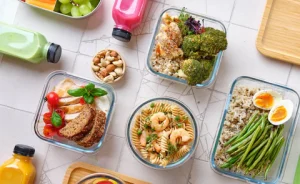
In today’s busy world, finding time to cook can be challenging. Between work, family commitments, and social activities, it’s easy to resort to takeout or unhealthy convenience foods. However, preparing meals ahead of time is a powerful solution that can save time, reduce stress, and support a healthier lifestyle. With practical strategies and simple planning, meal prep can become an easy, manageable habit for beginners and experienced cooks alike.
Why Preparing Meals Ahead of Time Matters
Meal prepping is more than just a time-saver. It brings structure and efficiency to your daily routine, allowing you to focus on other priorities without worrying about what to cook.
Benefits of meal prep include:
- Saves time: Spending a few hours prepping meals means less daily cooking.
- Reduces stress: Knowing your meals are ready decreases anxiety around mealtime.
- Supports healthy eating: Pre-made meals help you avoid impulsive unhealthy choices.
- Controls portions and budget: Pre-portioned meals reduce overeating and prevent unnecessary grocery purchases.
When done consistently, meal prep can make mealtimes predictable, organized, and stress-free.
Start With a Simple Meal Plan
Effective meal prep begins with a plan. You don’t need a complex system—just a clear outline of what you’ll eat and when.
Steps to create a practical meal plan:
- Decide on meals: Identify breakfast, lunch, dinner, and snacks for the week.
- Consider your schedule: Pick meals that fit your available prep and cooking time.
- Balance nutrition: Include proteins, vegetables, whole grains, and healthy fats.
- Make a shopping list: Plan ingredients according to your meal choices to avoid waste.
Even a simple plan can make the process smoother and ensure you have all the ingredients on hand.
Easy Breakfast Prep Ideas
Breakfast sets the tone for your day. Preparing it ahead of time ensures a healthy, energizing start without morning stress.
Breakfast prep ideas include:
- Overnight oats: Combine oats, milk or yogurt, fruits, and nuts in jars the night before.
- Egg muffins: Mix eggs with vegetables, pour into muffin tins, and bake for a quick grab-and-go option.
- Smoothie packs: Portion fruits, vegetables, and protein powder in freezer bags for quick blending.
- Chia pudding: Mix chia seeds with milk or plant-based milk and let them sit overnight for a creamy, nutrient-rich meal.
Batch-prepping breakfast saves time and ensures a balanced start to your day.
Lunch Prep Strategies
Preparing lunch ahead of time is essential, especially for busy workdays. Prepped lunches make it easier to eat healthy and avoid vending machine temptations.
Practical lunch prep ideas:
- Mason jar salads: Layer greens, proteins, grains, and dressing separately to stay fresh.
- Grain bowls: Cook rice, quinoa, or barley in bulk, then combine with roasted vegetables and protein.
- Wraps and sandwiches: Prepare wraps with lean proteins and vegetables, storing them in airtight containers.
- Leftover transformations: Use dinner leftovers creatively for lunch, reducing waste and prep time.
Organizing lunches in containers ensures easy access and reduces mealtime stress.
Dinner Prep Made Simple
Dinner can be the most challenging meal to manage after a long day. Planning and prepping ingredients in advance make cooking easier and less stressful.
Dinner prep tips:
- Batch-cook proteins: Grill, bake, or roast chicken, fish, or tofu for use throughout the week.
- Sheet pan meals: Roast vegetables and proteins together to save time and minimize cleanup.
- Slow cooker meals: Prepare ingredients in the morning for a ready-to-eat dinner after work.
- One-pot meals: Soups, stews, and stir-fries require minimal prep and reduce dishes.
Pre-chopping vegetables or marinating proteins ahead of time can save 20–30 minutes on busy nights.
Smart Snack Prep
Healthy snacks help maintain energy levels and reduce the temptation of unhealthy foods. Prepping snacks ahead of time ensures they’re always available.
Snack prep ideas include:
- Cut vegetables and fruits: Store carrot sticks, cucumber slices, and apple wedges in containers for easy access.
- Energy balls: Mix oats, nut butter, and honey into bite-sized balls for a protein-packed snack.
- Trail mix: Portion nuts, seeds, and dried fruits into small bags for grab-and-go convenience.
- Yogurt cups: Pre-portion yogurt with berries or granola for a quick, satisfying snack.
Having ready-to-eat snacks reduces stress and helps maintain healthy eating habits.
Organizing Your Kitchen for Efficient Meal Prep
A cluttered or disorganized kitchen can make meal prep feel overwhelming. Keeping your cooking space organized helps streamline the process.
Organization tips:
- Use labeled containers: Helps identify ingredients quickly.
- Group similar items: Store grains, proteins, and snacks in separate zones.
- Keep tools accessible: Have chopping boards, knives, and measuring cups within easy reach.
- Clean as you go: Reduces post-cooking stress and keeps your kitchen inviting.
A well-organized kitchen makes meal prep faster and more enjoyable.
Time-Saving Meal Prep Hacks
A few clever hacks can make preparing meals ahead of time more manageable:
- Cook in bulk: Prepare large quantities of staples like grains, beans, or proteins.
- Freeze meals: Store individual portions for later use.
- Use pre-prepped ingredients: Pre-washed greens, frozen vegetables, and canned beans save time.
- Prep ingredients, not full meals: Chopped vegetables and marinated proteins allow flexibility in cooking.
These techniques save time, reduce stress, and make meal prep more accessible.
Maintaining a Consistent Meal Prep Routine
Consistency is crucial for turning meal prep into a habit. Here are ways to stay on track:
- Start small: Prep a few meals at a time and gradually expand.
- Schedule prep time: Dedicate a specific day or time each week for meal preparation.
- Rotate recipes: Prevent boredom by trying new meals weekly.
- Track your progress: Use a journal or app to monitor meals and prep habits.
Consistency turns meal prep from a stressful task into a reliable, stress-reducing routine.
Conclusion
Preparing meals ahead of time doesn’t have to be complicated. With simple planning, organized kitchens, batch-cooking, and smart storage techniques, meal prep can save time, reduce stress, and support healthy eating habits. Breakfasts, lunches, dinners, and snacks can all be prepared in advance, ensuring you always have nutritious options ready. By maintaining consistency and applying practical tips, meal prep becomes a manageable, enjoyable habit that makes daily life simpler and healthier.
FAQs
1. How much time should I dedicate to meal prep each week?
Spending 1–2 hours once or twice a week is sufficient for preparing ingredients, batch-cooking proteins, and organizing meals.
2. Can meal prep help with weight management?
Yes. Pre-portioned, healthy meals help control calories and prevent impulsive eating.
3. What are some easy meals to prep for beginners?
Overnight oats, mason jar salads, sheet pan dinners, and grain bowls are beginner-friendly options.
4. How can I keep prepped meals fresh all week?
Store meals in airtight containers in the refrigerator and freeze portions when needed. Pre-chop vegetables and keep dressings separate until serving.
5. Can meal prep save money?
Absolutely. Planning meals reduces impulse spending, prevents food waste, and allows bulk buying of staples at a lower cost.