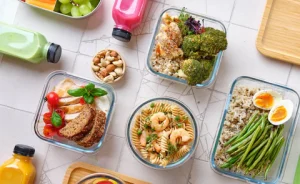
Balancing work, family, and personal life can leave little time for cooking or planning meals. When you’re constantly on the go, preparing meals daily may seem impossible. However, with a few simple techniques, you can make meal prep manageable, reduce stress, and maintain a healthy diet even with a hectic schedule. This guide shares practical daily prep strategies that are easy to implement for anyone with a busy lifestyle.
Why Daily Prep Matters
Daily prep isn’t just about food; it’s about creating structure and saving time. Taking a few minutes each day to prepare meals or ingredients can prevent last-minute decisions that often lead to unhealthy eating or unnecessary stress.
Key benefits of daily prep include:
- Time efficiency: Short daily prep sessions prevent lengthy cooking sessions in the evening.
- Reduced stress: Knowing meals are ready or partially prepared takes the pressure off.
- Healthy choices: Prepped meals and ingredients encourage balanced eating.
- Budget-friendly: Less reliance on takeout or convenience foods saves money.
Incorporating daily prep into your routine can transform how you approach meals and overall wellness.
Start with a Daily Meal Outline
Even a simple outline for the day can guide your prep efforts. Planning what you’ll eat ensures that ingredients and meals are ready when needed.
Steps for creating a daily meal outline:
- List meals and snacks: Include breakfast, lunch, dinner, and any mid-day snacks.
- Check available ingredients: Take stock of what’s in your fridge or pantry.
- Balance nutrition: Ensure each meal includes proteins, vegetables, whole grains, and healthy fats.
- Identify prep tasks: Decide what can be prepped in advance, like chopping vegetables or cooking proteins.
A small daily plan keeps meals organized and prevents last-minute stress.
Quick Breakfast Prep Techniques
Mornings are often the busiest part of the day. Prepping breakfast ahead of time ensures you start the day with energy and nutrition without rushing.
Simple breakfast ideas:
- Overnight oats: Combine oats, milk or yogurt, fruits, and seeds in a jar for a grab-and-go breakfast.
- Egg muffins: Mix eggs with vegetables and bake in muffin tins for multiple servings.
- Smoothie packs: Portion fruits, vegetables, and protein powder in freezer bags ready to blend.
- Yogurt parfaits: Layer yogurt, granola, and fresh or frozen berries in small jars for easy access.
Prepping breakfast the night before or in the morning saves time and supports healthy habits.
Efficient Lunch Prep
Busy schedules often lead to skipping lunch or opting for unhealthy options. Preparing lunch ahead makes healthy eating easier and stress-free.
Lunch prep techniques:
- Mason jar salads: Layer vegetables, proteins, grains, and dressing separately to stay fresh.
- Grain bowls: Cook grains like rice or quinoa in bulk and mix with roasted vegetables and protein.
- Wraps and sandwiches: Prepare wraps or sandwiches with lean proteins and vegetables, storing them in airtight containers.
- Leftover transformations: Turn last night’s dinner into a new, easy lunch.
Organizing lunches in containers ensures you have meals ready to grab-and-go.
Dinner Prep for Busy Evenings
Evenings can be hectic, making dinner prep a challenge. Simple techniques can streamline cooking and reduce stress after a long day.
Daily dinner prep tips:
- Batch-cooked proteins: Grill or roast chicken, fish, or tofu for use across multiple meals.
- One-pan meals: Combine vegetables and protein on a single tray for easy cooking and minimal cleanup.
- Slow cooker or instant pot recipes: Set ingredients in the morning and return to a ready meal.
- Pre-chopped vegetables: Cut vegetables in advance to save time during cooking.
These approaches allow you to enjoy home-cooked meals even on the busiest evenings.
Snack Prep Made Simple
Healthy snacks keep energy levels up and prevent overeating during main meals. Preparing snacks ahead ensures you always have a nutritious option available.
Easy snack ideas:
- Cut fruits and vegetables: Store carrot sticks, cucumber slices, or apple wedges in containers for easy access.
- Trail mix portions: Mix nuts, seeds, and dried fruit in small bags for grab-and-go snacks.
- Energy bites: Combine oats, nut butter, and honey into bite-sized balls for a protein-packed snack.
- Cheese and whole-grain crackers: Pre-portion for convenience.
Having prepped snacks reduces stress and helps maintain consistent healthy eating.
Organizing Your Kitchen for Daily Prep
A well-organized kitchen makes daily prep faster and less stressful. Small adjustments in storage and layout can make a big difference.
Organization tips:
- Use labeled containers: Clearly mark ingredients for easy access.
- Group items by category: Store grains, proteins, and snacks separately to streamline prep.
- Keep tools handy: Have knives, chopping boards, and measuring cups within reach.
- Clean as you go: Prevents clutter and saves time after cooking.
A clean and organized kitchen encourages daily prep and makes the process enjoyable.
Time-Saving Daily Prep Hacks
Simple hacks can make daily prep more efficient, even for beginners.
Practical hacks:
- Cook staples in bulk: Prepare grains, beans, and proteins in larger quantities to use across multiple meals.
- Use frozen vegetables: They save prep time and retain nutritional value.
- Prep ingredients instead of full meals: Chopping vegetables and marinating proteins allows flexibility in cooking.
- Set a routine: Dedicate a consistent time each day, even 15–20 minutes, for prep tasks.
These techniques reduce stress and help maintain consistency without overwhelming your schedule.
Maintaining Consistency
Consistency is key to reaping the benefits of daily prep. Here’s how to stay on track:
- Start small: Prep one meal or snack at a time and gradually expand.
- Stick to a routine: Set a specific daily prep time that works for you.
- Rotate recipes: Avoid boredom by changing meals or ingredients weekly.
- Track progress: Keep a journal or app to monitor meals and prep habits.
By making daily prep a routine, it becomes a manageable habit that supports health and efficiency.
Conclusion
Simple daily prep techniques can transform a busy lifestyle into a more organized, stress-free routine. By planning meals, prepping breakfast, lunch, dinner, and snacks, and keeping your kitchen organized, you save time, reduce stress, and maintain healthier eating habits. Techniques such as batch-cooking, one-pan meals, pre-chopped vegetables, and grab-and-go snacks make meal prep manageable even for beginners. With consistency and simple hacks, daily meal prep becomes a practical tool to support wellness and simplify your life.
FAQs
1. How much time should I spend on daily meal prep?
Even 15–30 minutes each day can be sufficient for preparing ingredients or meals. The goal is consistency, not perfection.
2. Can daily prep help reduce stress?
Yes. Knowing meals are ready or partially prepared eliminates last-minute cooking decisions and reduces mealtime anxiety.
3. What are beginner-friendly daily prep ideas?
Overnight oats, mason jar salads, pre-chopped vegetables, and energy bites are easy to start with.
4. How can I keep prepped meals fresh?
Store meals in airtight containers, separate dressings from salads, and refrigerate or freeze portions as needed.
5. Can daily prep save money?
Absolutely. Planning meals and snacks ahead reduces reliance on takeout, prevents food waste, and allows bulk buying of staples.