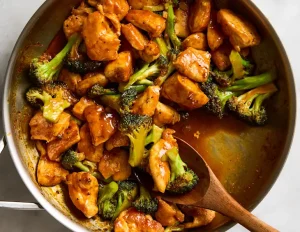
Preparing dinner after a busy day can feel overwhelming, especially when time is tight. However, making a delicious, nutritious meal doesn’t always require hours in the kitchen. With the right strategies, tools, and mindset, you can prepare meals in under 30 minutes without sacrificing flavor or quality. Whether you’re a busy parent, a professional with long hours, or simply want to eat healthier without spending too much time cooking, these simple techniques can transform your weeknight dinners.
Plan Ahead for Speed and Efficiency
Weekly Meal Planning
One of the most effective ways to save time is to plan your meals for the week. Knowing exactly what you’ll cook each night reduces stress and eliminates last-minute decisions. Start by listing recipes that take 30 minutes or less and rotate them throughout the week.
Tips for quick meal planning:
- Choose recipes with similar ingredients to minimize shopping and prep time.
- Include versatile staples like pasta, rice, beans, and frozen vegetables.
- Make a clear grocery list to avoid extra trips to the store.
Prep Ingredients in Advance
Prepping ingredients before you start cooking can cut your meal prep time dramatically. Wash, chop, and measure ingredients in advance so they are ready when you need them.
Prep strategies:
- Chop vegetables and store them in airtight containers in the fridge.
- Marinate proteins in advance to enhance flavor.
- Cook grains like rice, quinoa, or couscous ahead of time for quick assembly.
Use Fast-Cooking Proteins
Choose Proteins that Cook Quickly
Some proteins take less than 15 minutes to cook and are perfect for quick meals. Opting for these can help you stay within the 30-minute window.
Quick-cooking protein options:
- Shrimp: cooks in 5–7 minutes.
- Chicken cutlets or thin chicken breasts: 10–12 minutes in a skillet.
- Eggs: scrambled, boiled, or as an omelet in 5–10 minutes.
- Ground meats: beef, turkey, or chicken cook rapidly for stir-fries or tacos.
Incorporate Plant-Based Proteins
Plant-based proteins like beans, lentils, or tofu can also speed up meals, especially when using canned or pre-cooked varieties.
Ideas for plant-based proteins:
- Canned chickpeas for salads or curries.
- Tofu cubes for stir-fry dishes.
- Lentils for soups or grain bowls.
Optimize Cooking Methods
One-Pot and Sheet-Pan Meals
Cooking everything in one pan is a game-changer for quick meals. One-pot and sheet-pan recipes reduce cooking and cleaning time while still delivering delicious results.
Examples of fast meals:
- Sheet-pan chicken with vegetables and potatoes.
- One-pot pasta with tomatoes, spinach, and protein.
- Skillet stir-fry with pre-cut veggies and tofu or shrimp.
Use Pressure Cookers and Instant Pots
Pressure cookers and Instant Pots save a lot of time by cooking meals in minutes that traditionally take hours. They are especially useful for soups, stews, and rice dishes.
Quick tips for these appliances:
- Use frozen ingredients directly for faster cooking.
- Follow recipes designed for your device to avoid mistakes.
- Combine multiple ingredients for “set it and forget it” meals.
Microwave and Steam Techniques
Microwaving vegetables or proteins is a fast and healthy option. Steaming vegetables in the microwave or on the stovetop retains nutrients and cooks them in minutes.
Quick techniques:
- Steam broccoli or carrots in the microwave in 4–5 minutes.
- Cook fish fillets in the microwave with a splash of water or lemon.
- Use microwave-safe containers to prep individual portions quickly.
Keep a Well-Stocked Pantry
Essential Ingredients for Quick Meals
Having a stocked pantry ensures that you can make a meal without searching for ingredients. Keep items that are versatile and easy to cook.
Pantry essentials:
- Pasta, rice, or noodles.
- Canned beans and tomatoes.
- Frozen vegetables.
- Herbs, spices, and sauces for instant flavor.
Frozen and Pre-Cut Foods
Frozen and pre-cut ingredients save significant prep time while maintaining nutrition.
Time-saving options:
- Frozen stir-fry vegetables.
- Pre-cut chicken or beef strips.
- Frozen shrimp or fish fillets.
- Pre-washed salad greens.
Batch Cooking and Leftovers
Cook in Batches
Cooking larger portions at once allows you to use leftovers for another meal, saving time on subsequent nights.
Batch cooking ideas:
- Make a large pot of soup or chili for 2–3 dinners.
- Roast multiple trays of vegetables to use in bowls, salads, or wraps.
- Cook grains like rice or quinoa in bulk for quick meal assembly.
Transform Leftovers
Leftovers can be repurposed to create entirely new meals in minutes.
Creative uses for leftovers:
- Use roasted chicken for tacos or sandwiches.
- Mix leftover grains and vegetables into a stir-fry or salad.
- Turn soup into a pasta sauce or casserole.
Use Smart Kitchen Tools
Must-Have Gadgets
Certain kitchen tools can speed up cooking and make weeknight meals easier.
Recommended gadgets:
- Food processor for chopping vegetables quickly.
- Blender for sauces, soups, or smoothies.
- Mandoline slicer for evenly sliced vegetables.
- Instant Pot or pressure cooker for fast meals.
Handy Cooking Hacks
Small hacks can make a big difference in cooking time.
Simple techniques:
- Boil water in a kettle before adding it to pasta or grains.
- Keep knives sharp to chop faster.
- Organize frequently used tools and ingredients for easy access.
Make Meals Simple Yet Balanced
Quick Recipes for Busy Nights
Meals don’t need to be complicated to be nutritious and tasty. Focus on combining protein, carbs, and vegetables in one dish.
Easy recipe ideas:
- Shrimp stir-fry with frozen vegetables and rice.
- Chicken quesadillas with pre-shredded cheese and tortillas.
- Lentil and vegetable curry with pre-cooked rice.
Healthy Shortcuts
You can maintain a balanced diet without spending extra time.
Shortcuts for healthy meals:
- Pre-washed greens for salads.
- Rotisserie chicken for instant protein.
- Canned beans and vegetables for added nutrition.
Involve Your Family
Share Cooking Responsibilities
If you have family members, involve them in cooking. Even small tasks like washing vegetables, setting the table, or stirring ingredients can reduce your workload.
Make Cooking Fun
Turn weeknight meals into a fun, shared activity. Simple meals with everyone contributing can make cooking faster and enjoyable.
Stay Flexible and Stress-Free
Accept Simple Meals
Not every dinner needs to be gourmet. Focus on meals that are satisfying, nutritious, and can be made quickly. Simple meals often taste just as good as elaborate ones.
Adapt to Your Schedule
On particularly busy nights, it’s okay to rely on frozen meals, pre-cooked proteins, or one-pot dishes. The goal is to have a meal ready in under 30 minutes without stress.
Conclusion
Making meals in under 30 minutes is possible with the right techniques and mindset. By planning ahead, prepping ingredients, choosing fast-cooking proteins, and using smart cooking methods, you can enjoy delicious dinners without spending hours in the kitchen. Batch cooking, leftover transformation, and smart kitchen tools further simplify the process. Most importantly, staying flexible and keeping meals simple ensures that quick dinners are both nutritious and enjoyable. With these strategies, weeknight meals no longer have to feel rushed or stressful—they can be fast, tasty, and satisfying.
FAQs
Q1: How can I cook a healthy meal in under 30 minutes?
A1: Focus on simple recipes using fast-cooking proteins, pre-cut vegetables, and one-pot meals. Using frozen or canned ingredients can also save time while maintaining nutrition.
Q2: What are some fast-cooking proteins for quick meals?
A2: Shrimp, thin chicken breasts, eggs, ground meats, tofu, and canned beans are excellent options that cook quickly and provide protein for balanced meals.
Q3: How does meal planning help save time?
A3: Meal planning eliminates daily decision-making, allows ingredient prep in advance, and helps avoid last-minute grocery trips, making weeknight meals faster and easier.
Q4: Are there kitchen tools that speed up cooking?
A4: Yes. Food processors, blenders, mandoline slicers, and Instant Pots or pressure cookers significantly reduce prep and cooking time for weeknight meals.
Q5: Can leftovers be used to make new meals quickly?
A5: Absolutely. Leftovers like roasted chicken, grains, or vegetables can be transformed into tacos, stir-fries, salads, or casseroles in minutes.